EN
EN
 Српски


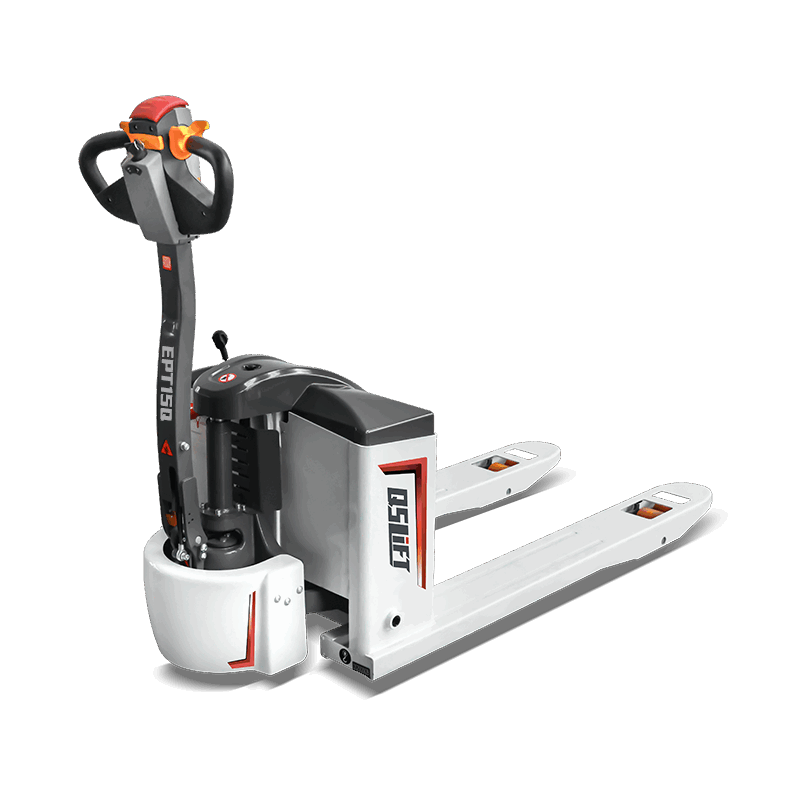
In automated high-bay warehouses and modern logistics centers, stackers operate tirelessly like "transport giants," shuttling at high speeds between racks dozens of meters tall to precisely store and retrieve goods. People are often amazed by their efficiency yet easily overlook a critical detail—the "feet" that support the smooth operation of this equipment: the stacker's wheels.
Though small, the wheels directly determine the operational efficiency, stability, and service life of this equipment.It is no exaggeration to say that choosing the wrong wheels when purchasing a stacker often leads to frequent breakdowns and high maintenance costs down the line.
Today, we will take an in-depth look at various aspects of stacker wheels. First, let's examine the wheel materials. Currently, there are four main materials suitable for electric stacker wheels on the market:
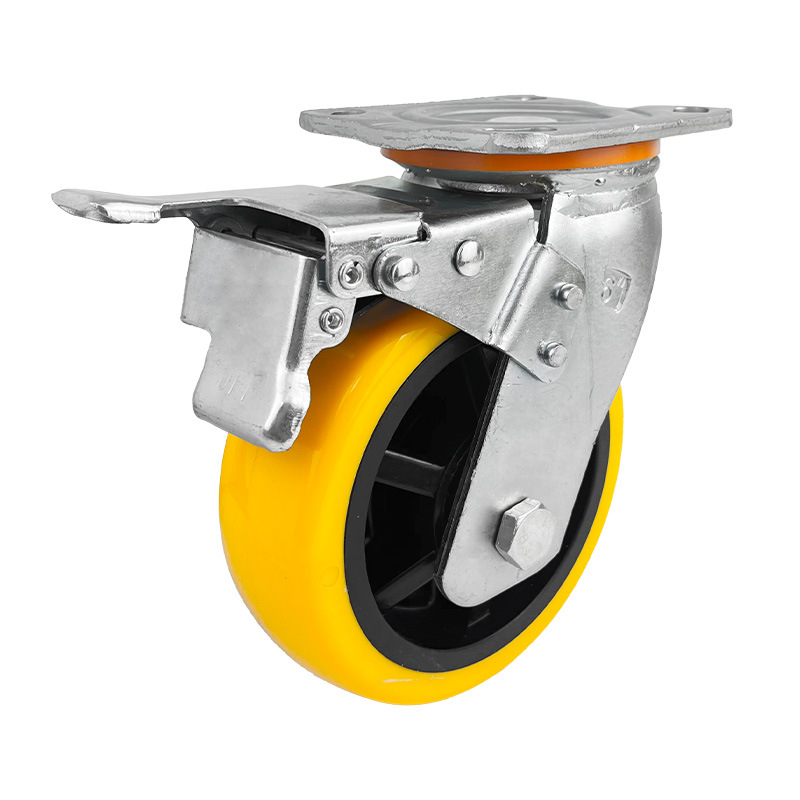
1. Polyurethane Wheels (PU Wheels)
PU wheels offer the best overall performance. Advantages include extremely high abrasion resistance (3-5 times that of ordinary rubber), excellent impact resistance, and high elasticity, effectively protecting the rails. They run smoothly with low noise, are resistant to oil and chemical corrosion, and are very floor friendly. They are currently the first choice for many high-end automated warehouses. Disadvantages are the complex material and manufacturing processes, resulting in relatively high costs. Under extreme high-speed, heavy-load dynamic conditions, the manufacturing process must meet very high standards; otherwise, there is a risk of delamination or cracking.
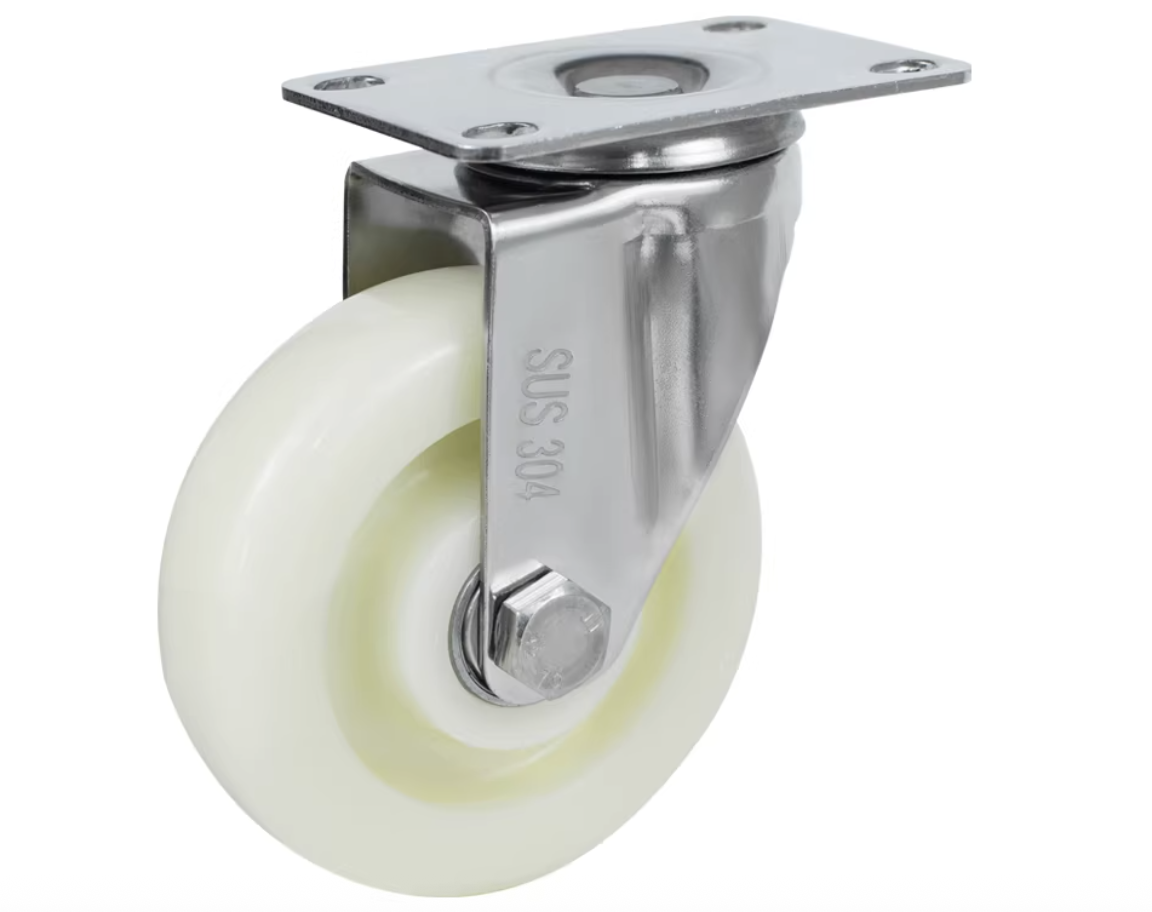
2. Nylon Wheels.
In a nutshell: they are the tough choice for heavy loads and abrasion resistance. Advantages are extremely high hardness, superior load capacity, and excellent abrasion resistance, making them very suitable for extreme heavy-load environments such as steel mills and heavy machinery. They are lightweight and resistant to chemical corrosion, especially MC nylon and nylon wheels with iron cores. Disadvantages include poor elasticity, with vibration damping and noise reduction being less effective compared to PU and rubber wheels. Standard nylon wheels wear faster in high-speed applications. However, it is worth noting that newer nylon wheels with iron cores have significantly improved this issue through structural optimization.
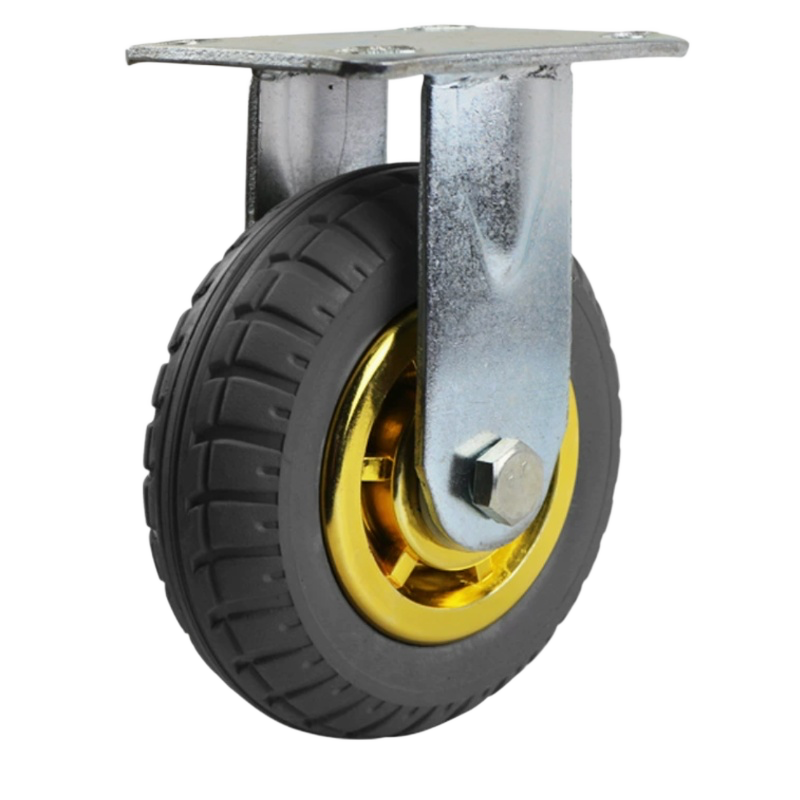
3. Rubber Wheels.
Rubber wheels offer excellent elasticity, providing the best vibration damping and noise reduction, with operating noise controllable below 55 decibels. They have strong grip and are very friendly to smooth surfaces such as epoxy floors. Disadvantages are relatively weaker abrasion resistance, limited load capacity, and unsuitability for high-speed, heavy-load conditions. Prolonged exposure to oil or high temperatures can lead to aging and deformation.
4. Steel Wheels.
As the name implies, these wheels are made from steel. They are manufactured from high-strength forged materials (e.g., 42CrMo), heat-treated, and possess unparalleled load capacity and durability, resisting impact, puncture, and extreme wear. Disadvantages are also significant: they are extremely heavy, produce loud, harsh noise during operation, and cause severe damage to rails. They are typically used only in extremely harsh environments like metallurgy and mining, where noise and floor protection are not concerns.
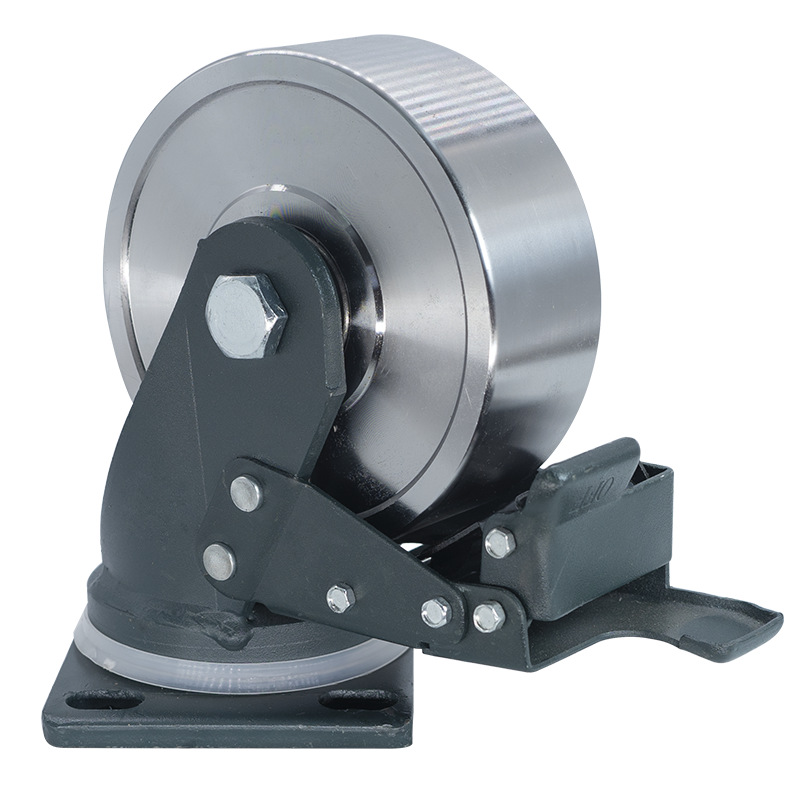
However, when selecting wheels for material handling equipment, we should also pay attention to their structural design, which can vary. Common design features include:
Flange Design. The raised part on the inner side of the wheel, preventing the stacker from derailing during high-speed operation. A well-designed flange minimizes friction and wear on the rail while maintaining its guiding function.
Tread Design. The rolling surface that contacts the rail. A curved or specially designed tread disperses concentrated loads, reduces contact stress, ensures smoother operation, and extends the life of both the wheel and the rail.
Modular Wheel Block. Modern stackers often integrate the wheel, bearing, axle, and housing into a modular "wheel block." This design allows for easy installation and maintenance with high precision. Some wheel blocks also integrate the drive motor and gearbox, achieving an integrated drive-and-motion system.
Smart Warning. Some advanced wheels have a built-in metal sensing strip that automatically triggers an alarm when wear reaches a critical level, enabling preventive maintenance and avoiding unexpected downtime.
Of course, most users may not be interested in delving into the material or structural details of stacker/pallet truck wheels. Therefore, from a consumer perspective, we have summarized the following simple and intuitive selection guide.
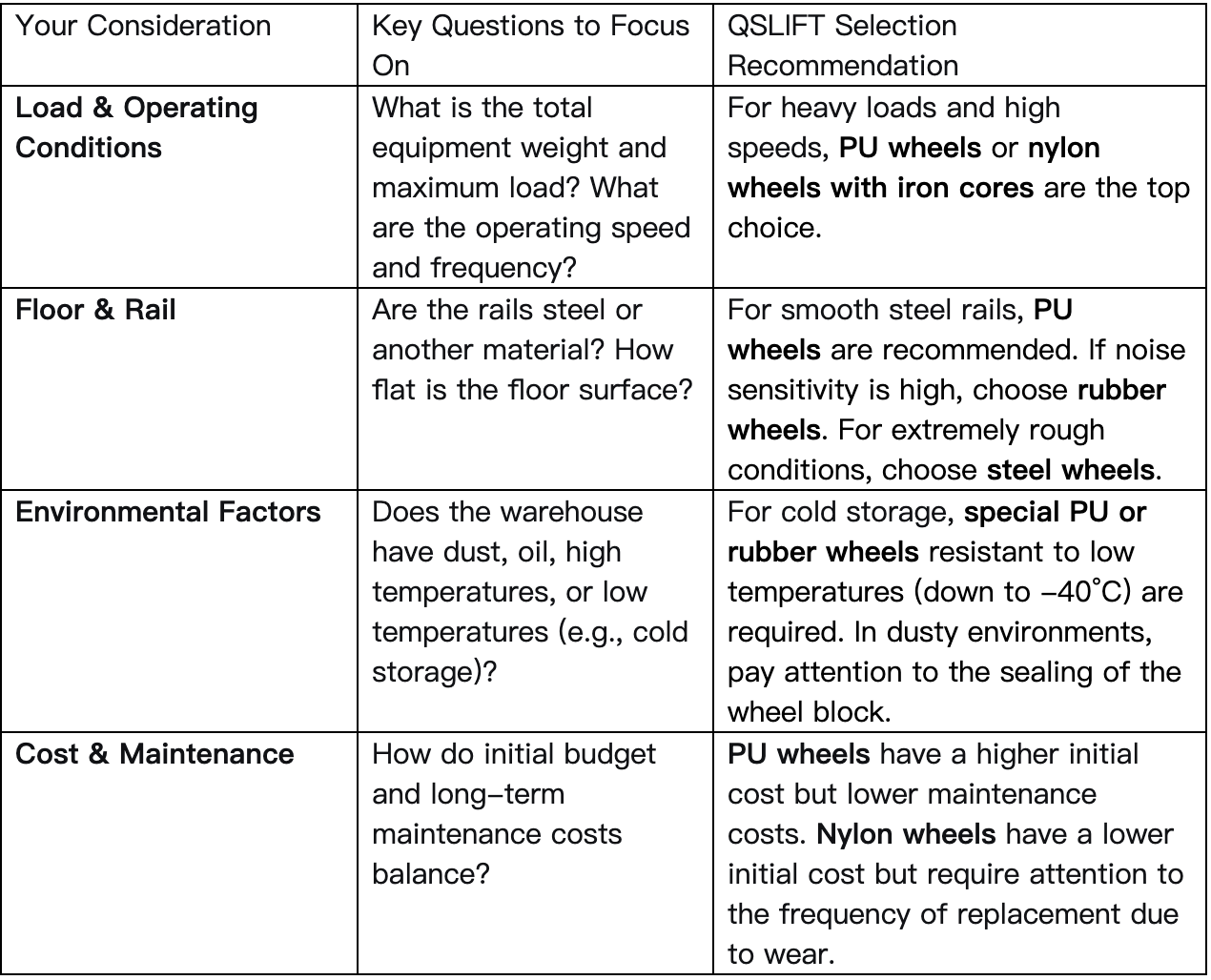
In summary, there is no absolute "best" option when selecting wheels for pallet trucks or stackers—only the option that best suits your operating conditions. We hope this guide helps you know how to choose the right wheels when equipping your warehouse. Make your warehousing operations more efficient, safer, and longer-lasting.